Grants in Action: Growing Opportunities at Fort Frye Local School District
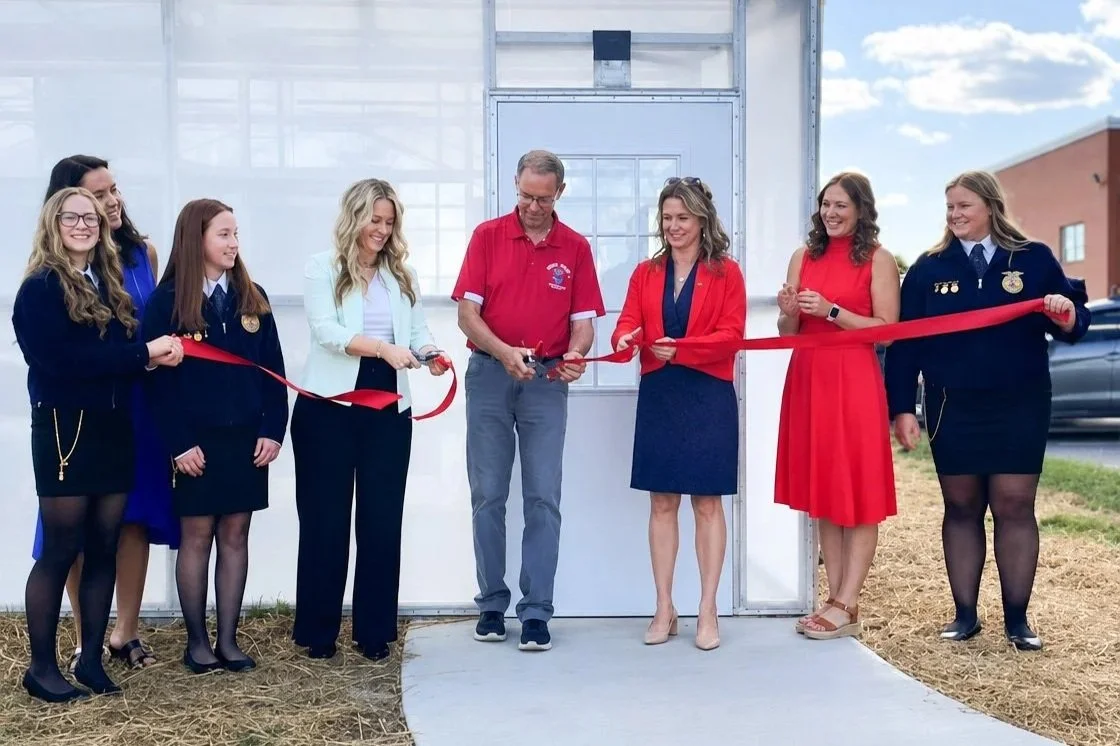
Ribbon cutting for Fort Frye’s new greenhouse
On any given day, students at Fort Frye Local Schools might be tending plants, monitoring environmental controls, conducting research, or preparing presentations inside the district's new greenhouse.
What began as a long-held dream has quickly become a thriving educational space where students are learning far more than how to grow plants.
For decades, Fort Frye had discussed bringing a greenhouse back to its middle and high school campus. While previous greenhouse programs had existed years ago, changes within the district made them difficult to sustain. Still, educators, students, and community supporters never let go of the vision.
"We talked about bringing it back for a long time," said Fort Frye Superintendent, Stephanie Starcher. "We have to give credit to our agriculture educators and to the students. We had a dream, and together we made it happen."
That dream became a reality with support from a Community Impact Grant from Marietta Community Foundation.
Serving a largely rural district that spans approximately 136 square miles, Fort Frye faces unique challenges when it comes to food access. Many families are not located near grocery stores, and fresh, healthy foods can be more expensive and less convenient than processed alternatives.
The greenhouse was designed to help address those challenges while creating hands-on learning opportunities for students.
In its first year, students grew several varieties of lettuce that were incorporated into school meals and taste-testing activities. They also used greenhouse-grown ingredients to make pesto and explore healthy eating habits through the district's wellness initiatives.
The project aligns closely with Fort Frye's wellness plan, which promotes nutrition education and healthy lifestyle choices throughout the school year. Students participate in presentations and activities that help connect what they are learning in the classroom to real-world experiences.
But the greenhouse is about much more than food production.
Throughout the year, students have gained valuable skills in research, problem-solving, communication, leadership, and entrepreneurship. Early in the project, they even helped troubleshoot construction challenges and facility issues as the greenhouse was assembled.
"They learned that sometimes things don't go exactly as planned," Starcher said. "There were obstacles to overcome, and they became part of finding solutions."
Students have also explored advanced agricultural concepts, including aquaponics and alternative growing methods, while conducting research and visiting other greenhouse operations to learn best practices.
One experience that particularly stood out involved a group of students who researched Ohio's science standards for elementary and middle school students. They then designed greenhouse-based lessons that could be used with younger students throughout the district.
"It was exciting to watch them think beyond themselves," Starcher said. "They were not just learning in the greenhouse—they were creating opportunities for others to learn as well."
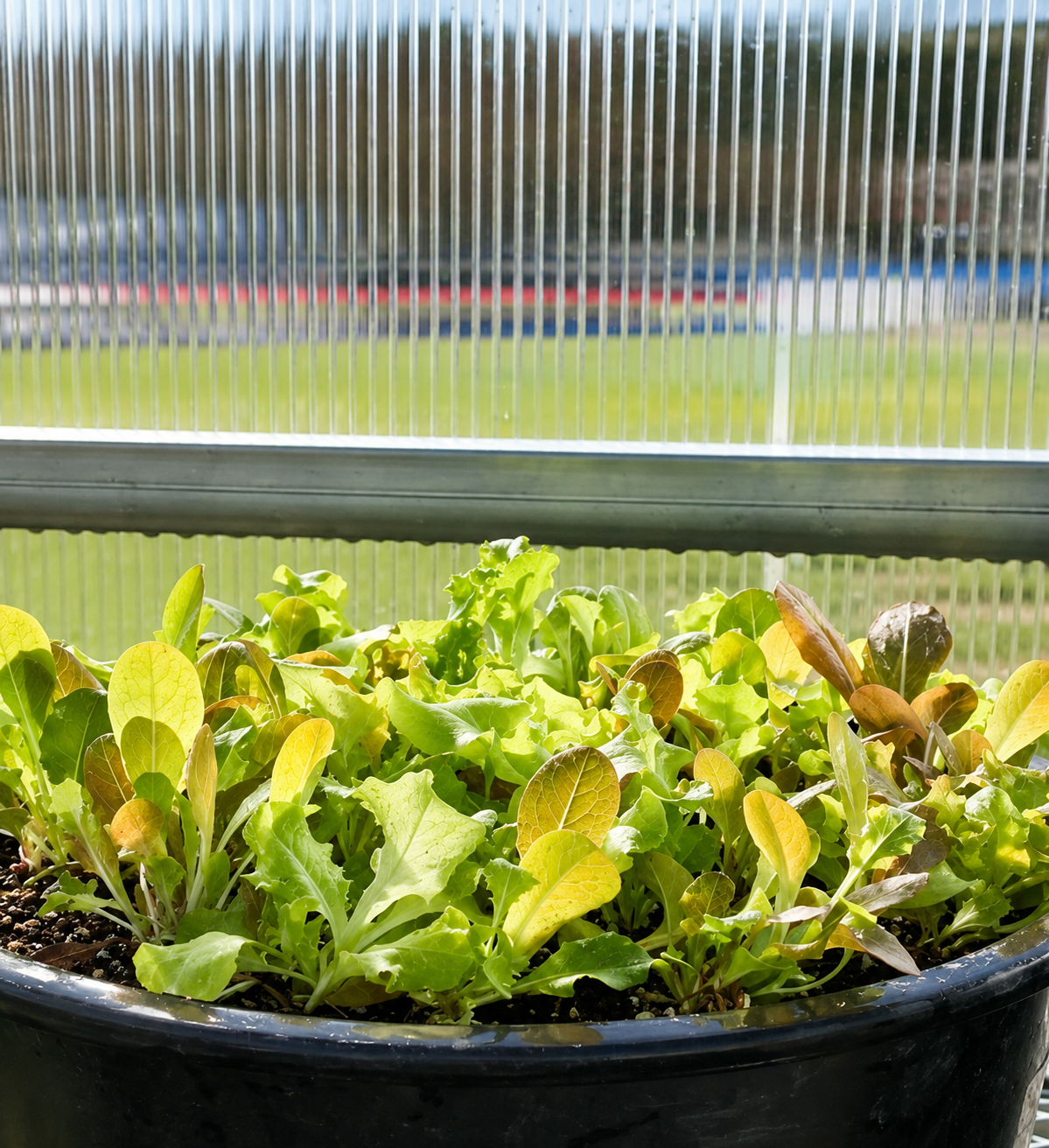
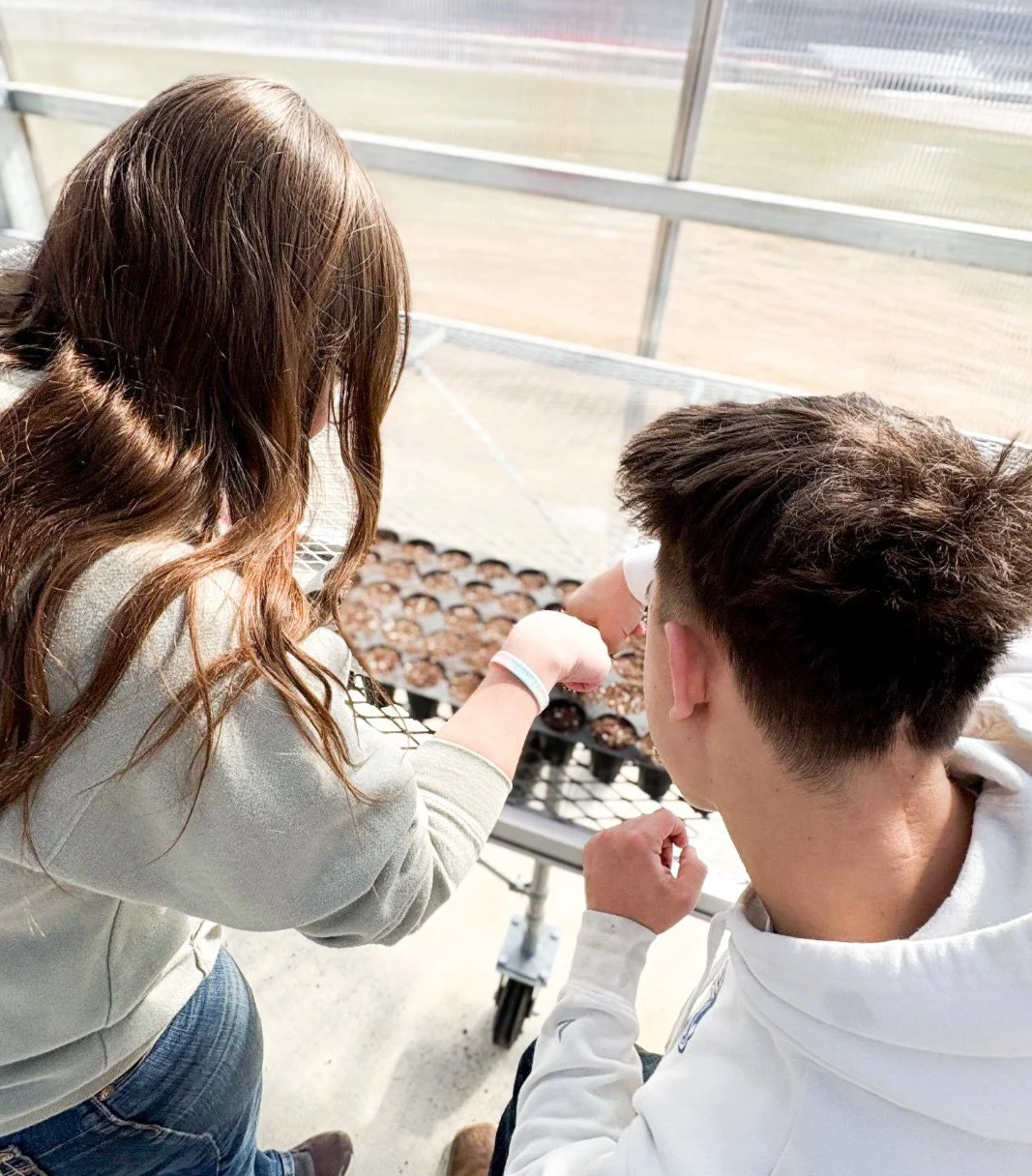
Today, the greenhouse remains a hub of activity. Depending on the season, students may be growing spring plants, cultivating fall mums, conducting research projects, or maintaining daily operations. Community members regularly visit the facility, and classes continue to find new ways to incorporate the greenhouse into their learning experiences.
Looking back, Starcher says the Community Impact Grant was instrumental in turning the vision into reality.
"Without the grant, there would not be a greenhouse," she said. "We do not have a levy dedicated to funding capital improvement projects, so bringing something like this to life required multiple partners coming together. Marietta Community Foundation’s Community Impact Grant was a critical piece of that effort."
Perhaps the most rewarding part has been watching the vision become reality.
"You have an idea of what something could become, but then you step back and see students leading projects, conducting research, teaching others, and taking ownership of the space," Starcher said. "That's when you realize the impact is even greater than what you imagined."
As Fort Frye welcomes new agricultural education leadership and continues expanding programming, the future of the greenhouse is bright. Students are already exploring new growing techniques, additional community partnerships, and ways to further increase access to fresh, locally grown foods.
The structure itself may be made of steel and glass, but its greatest purpose is helping students grow. Long after the last harvest of the season, the lessons learned inside the greenhouse will continue to shape the future of the young people who walk through its doors.